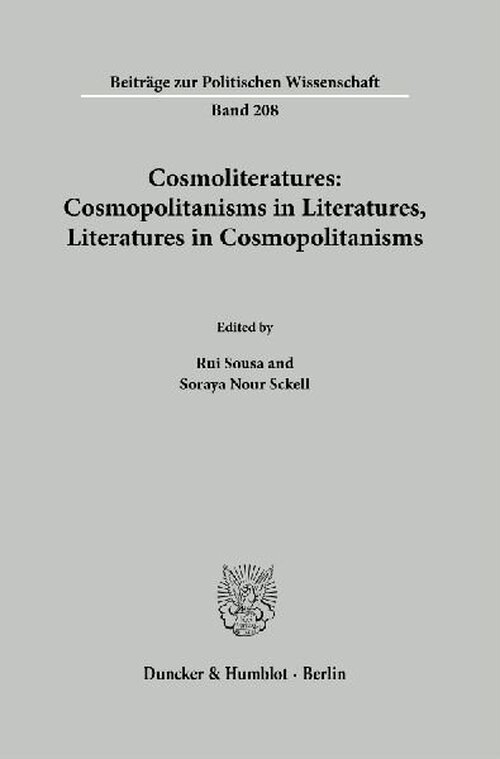

Cosmopolitanism aspires to openness and universality, yet it is fraught with contradictions. While seeking to transcend borders, it has often concealed exclusions and hierarchies. This volume explores these tensions through literature and political philosophy, examining how writers and philosophers - from Camoes to Woolf and Conrad, from Kant to Appiah - have engaged with belonging, power, and identity. Rather than a fixed ideal, cosmopolitanism emerges as a contested space, shaped by both connection and inequality.